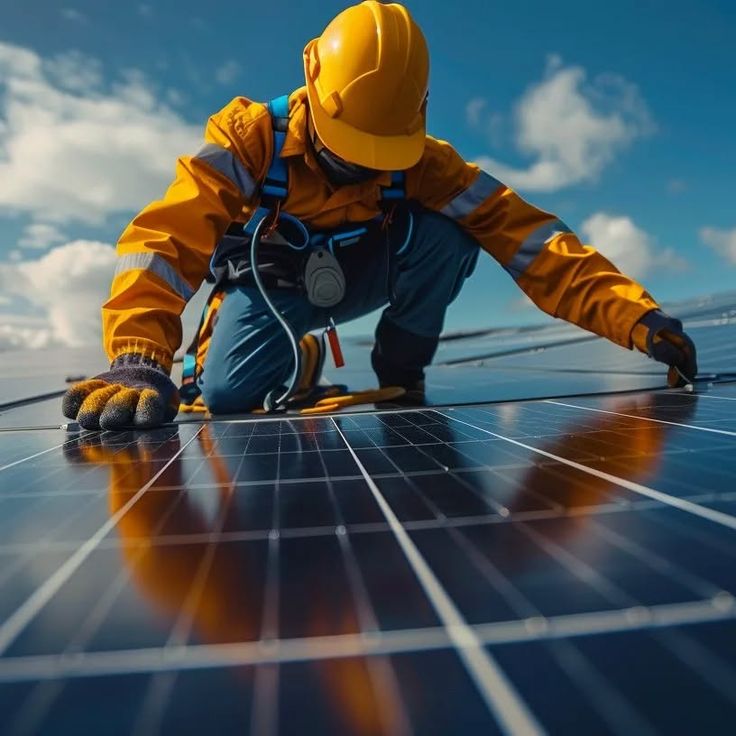
From Lead to Installation: The Modern Solar EPC Workflow
Follow the complete solar EPC journey from lead capture and site survey to proposals, procurement, installation, payments and O&M.
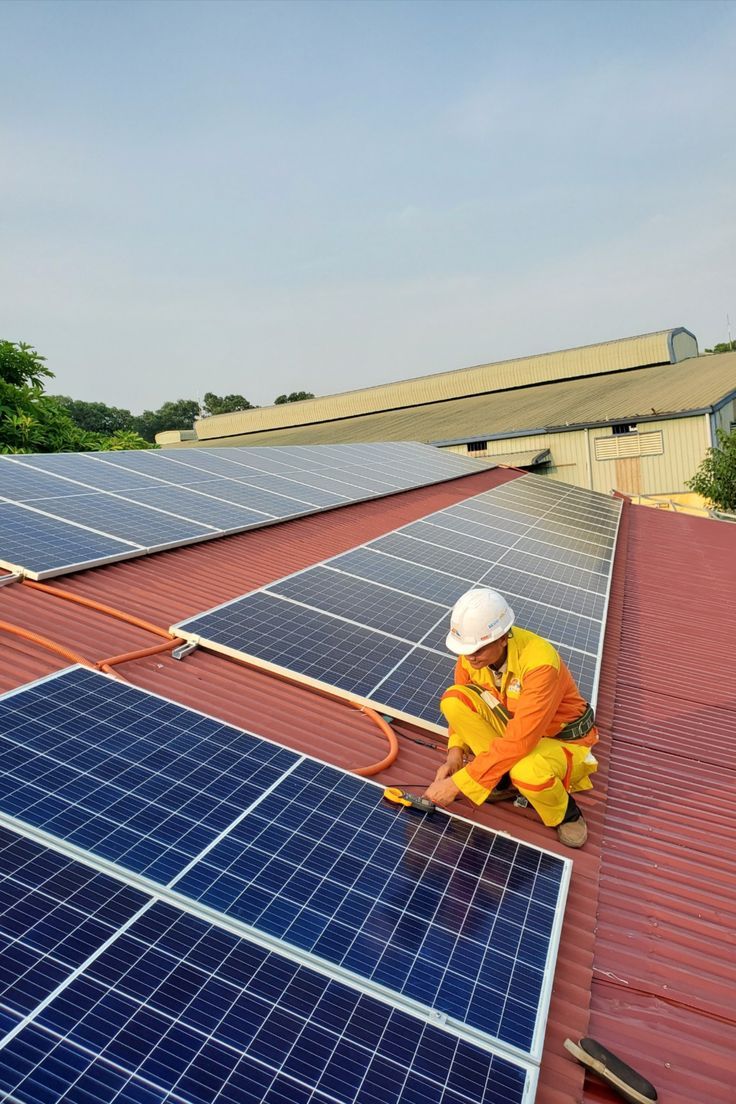
A solar EPC business does not grow just by generating more leads. It grows when every stage of the customer and project journey moves smoothly from one team to the next.
For many solar EPC companies, the process starts with a lead on WhatsApp or a phone call and then moves through spreadsheets, notebooks, separate proposal tools, site-visit records, procurement sheets and payment trackers.
As project volume increases, this disconnected workflow can create missed follow-ups, delayed proposals, unclear responsibilities, procurement mistakes and poor project visibility.
A modern solar EPC workflow connects these stages into one structured journey—from the first customer enquiry to installation and beyond.
What Is a Solar EPC Workflow?
A solar EPC workflow is the complete sequence of processes involved in taking a solar customer from the initial enquiry through sales, design, execution, billing and post-installation service.
A typical workflow includes:
Lead → Qualification → Site Visit → Proposal → Follow-up → Deal Closure → Project Creation → Design → BOM → Procurement → Installation → Commissioning → Invoice & Payment → O&M
The important part is not just having these processes.
The real advantage comes from connecting them.
When one stage is completed, the next team should have the information they need without repeatedly asking for the same details or maintaining another spreadsheet.
1. Lead Generation and Lead Capture
Every solar project starts with an enquiry.
Leads may come from:
- Website forms
- Phone calls
- Referrals
- Social media
- Digital advertising
- Walk-ins
- Channel partners
The first challenge is making sure every enquiry is captured properly.
Instead of storing customer information across WhatsApp chats, notebooks and spreadsheets, a structured solar CRM can create a single record for each lead.
Important information can include:
- Customer name
- Contact details
- Location
- Property type
- System requirement
- Lead source
- Assigned salesperson
- Lead status
- Next follow-up date
This gives the sales team a clear starting point.
2. Lead Qualification
Not every enquiry is ready to become a project.
Sales teams need to understand whether the customer is a genuine opportunity and what type of solar solution may be suitable.
Qualification can include:
- Customer requirement
- Property type
- Electricity consumption
- Approximate system size
- Location
- Budget
- Financing requirement
- Installation timeline
- Decision-making stage
A structured qualification process helps sales teams focus their time on the right opportunities.
3. Site Visit and Survey
For many solar projects, the next important step is a site visit.
The salesperson or surveyor may need to collect:
- Site photographs
- Roof information
- Available area
- Electrical details
- Meter information
- Shadow conditions
- Customer requirements
- Installation constraints
The problem begins when site-visit information remains disconnected from the original lead.
A better workflow keeps the customer, site survey and sales opportunity connected.
That means the team can move from lead → site visit → proposal without starting the process again.
4. Solar Design and System Planning
Once the required site information is available, the technical team can work on the system design.
Depending on the project, this may involve:
- System sizing
- Panel selection
- Inverter selection
- Panel layout
- Shadow analysis
- Electrical configuration
- Mounting requirements
- Bill of Materials
This stage connects sales expectations with technical feasibility.
A modern workflow should reduce unnecessary re-entry of customer and project information between teams.
5. Create a Professional Solar Proposal
The proposal is one of the most important stages in the solar sales journey.
Customers typically want to understand:
- System capacity
- Equipment
- Project cost
- Expected generation
- Estimated savings
- Payback
- Financing or EMI options
- Subsidy information where applicable
- Warranty
- Installation scope
A standardized proposal process helps the sales team create professional proposals faster and reduces inconsistencies between different salespeople.
More importantly, proposal activity should remain connected to the lead.
The team should know:
**Which proposal was sent?
When was it sent?
Which version is current?
Has the customer opened it?
When should the salesperson follow up?**
6. Follow-Up and Deal Closure
Sending a proposal is not the end of the sales process.
Follow-up is where many solar opportunities are won or lost.
A structured sales workflow can help teams manage:
- Follow-up dates
- Customer responses
- Proposal status
- Negotiations
- Objections
- Next actions
- Deal probability
Instead of relying on individual memory or scattered WhatsApp conversations, the sales team gets a defined pipeline.
This creates greater visibility for both salespeople and managers.
7. Convert the Won Deal Into a Project
Once the customer accepts the proposal, the project should not require the operations team to start from zero.
This is one of the most important transitions in a modern solar EPC workflow.
Customer information, project requirements, proposal details and commercial information should move into the execution process.
The workflow becomes:
Won Lead → Project → Execution
This reduces repetitive data entry and makes the sales-to-execution handoff more structured.
8. Project Planning and Task Management
After project creation, the execution team needs visibility into what needs to happen next.
Depending on the project, this may include:
- Design finalization
- Material planning
- Procurement
- Site preparation
- Installation scheduling
- Electrical work
- Inspection
- Commissioning
- Documentation
- Handover
Each task should have a clear owner and status.
Instead of asking multiple people for updates, project managers should be able to see the current project position from one place.
9. BOM and Procurement
The Bill of Materials connects design with procurement.
The team may need to manage:
- Solar modules
- Inverters
- Mounting structures
- Cables
- DC/AC protection
- Earthing materials
- Electrical accessories
- Other installation components
Without proper coordination, procurement can become a major source of project delays.
A connected workflow helps the business understand what materials are required, what has been ordered and what is available.
This becomes increasingly important as project volume grows.
10. Installation and Project Execution
The installation stage turns the project plan into physical execution.
Teams may need to track:
- Installation schedules
- Site teams
- Project milestones
- Material availability
- Work progress
- Site issues
- Pending tasks
- Completion status
A project manager should not have to depend entirely on phone calls and WhatsApp messages to understand project progress.
A structured project view provides better visibility across active installations.
11. Invoicing and Payment Tracking
The project does not become financially complete simply because installation is finished.
Solar EPC businesses also need to track:
- Customer invoices
- Advance payments
- Milestone payments
- Pending amounts
- Project revenue
- Project costs
Connecting project information with payment tracking helps management understand both operational and financial performance.
For example:
**How many projects are active?
How much revenue has been invoiced?
How much payment is pending?
Which projects have cost overruns?**
These questions become easier to answer when information is connected.
12. Commissioning and Handover
After installation, the project moves toward commissioning and customer handover.
This may include:
- System testing
- Documentation
- Customer handover
- Warranty information
- System details
- Final payment
- Service information
A good workflow does not treat handover as the end of the relationship.
It creates the foundation for the next stage.
13. O&M and After-Sales Service
Solar projects can continue generating business opportunities long after installation.
Customers may need:
- AMC services
- Preventive maintenance
- Service visits
- Complaint resolution
- Generation monitoring
- Performance checks
- Replacement support
This is where the EPC workflow becomes a long-term customer lifecycle.
The journey becomes:
Lead → Sale → Project → Installation → Customer → O&M
Instead of losing customer information after installation, the business can continue managing the relationship.
Why Connected Workflows Matter for Solar EPC Businesses
A growing solar EPC company can have excellent salespeople, experienced engineers and skilled installation teams—and still struggle if these teams operate in disconnected systems.
Common problems include:
1. Duplicate data entry
Customer information gets entered multiple times into different spreadsheets and tools.
2. Missed follow-ups
Important sales activities remain dependent on individual memory.
3. Poor sales-to-project handoffs
Operations teams may receive incomplete information after a deal is closed.
4. Limited project visibility
Managers need to call multiple people to understand project status.
5. Procurement delays
Material requirements may not be properly connected to project planning.
6. Payment visibility gaps
Project teams may not have a clear view of outstanding payments.
7. Lost post-installation opportunities
Customer information may become difficult to access once the installation is complete.
A connected workflow addresses these gaps by keeping important information together.
What a Modern Solar EPC Workflow Should Look Like
A modern solar EPC workflow should connect the complete business journey:
Lead
↓
Qualification
↓
Site Visit
↓
Solar Design
↓
Proposal
↓
Follow-Up
↓
Deal Closure
↓
Project Creation
↓
BOM & Procurement
↓
Installation
↓
Commissioning
↓
Invoice & Payment
↓
O&M
The goal is not simply to replace spreadsheets.
The goal is to create one connected operating workflow for the solar business.
How Doctor Solar Wala Fits Into This Workflow
Doctor Solar Wala is designed around the reality that solar EPC businesses manage much more than leads.
The business journey can involve CRM, proposals, solar design, project execution, procurement, inventory, finance and O&M.
Instead of treating each activity as a separate process, Doctor Solar Wala brings these business functions into a connected platform.
This can help solar businesses create a more structured journey from:
Lead → Proposal → Project → Procurement → Payment → O&M
The result is better visibility across the business and fewer disconnected processes.
From More Tools to One Connected Solar Business
Adding another spreadsheet or another standalone application may solve one problem temporarily.
But as a solar EPC company grows, the bigger challenge becomes coordination.
The question changes from:
“Which tool should we use?”
to:
“How can we connect the entire solar business workflow?”
That is where a solar business platform can make a difference.
With a connected workflow, sales, design, project execution, procurement, finance and O&M can work from a shared operational system.
Final Takeaway
A modern solar EPC workflow is more than a sequence of tasks.
It is the operating system that connects the entire customer and project journey.
From the first enquiry to the final payment—and from installation to long-term O&M—every stage should have clear ownership, visibility and continuity.
For growing solar EPC businesses, the objective should not simply be to handle more projects.
It should be to handle more projects with better control, visibility and fewer manual handoffs.
Explore how Doctor Solar Wala can help connect your solar business workflow from lead to installation and beyond.
Frequently Asked Questions
What is a solar EPC workflow?
Why should solar EPC companies connect sales and project workflows?
What happens after a solar lead is won?
Ready to grow your solar business 10x?
Join 500+ Indian solar companies already using Doctor Solar Wala.